Women diagnosed with uterine fibroids are often presented with multiple treatment options, ranging from medical therapy to surgical intervention.
Women diagnosed with uterine fibroids are often presented with multiple treatment options, ranging from medical therapy to surgical intervention. In most modern clinical settings, the discussion is no longer limited to hysterectomy. Instead, the most common surgical approach for symptomatic fibroids is laparoscopic myomectomy, a uterus-preserving surgery that removes fibroids while leaving the uterus intact.
Alongside surgical options, uterine fibroid embolisation (UFE) has emerged as a minimally invasive, image-guided treatment that targets fibroids without surgery. Understanding the differences between surgical therapy for fibroids and embolisation is essential for women seeking effective symptom relief while minimising recovery time and procedural risks.
As a Consultant Vascular Surgeon specialising in endovascular procedures, Dr. Mohammed Abuazab regularly evaluates women who are considering surgical fibroid treatment and helps determine whether uterine fibroid embolisation may be a suitable alternative based on individual anatomy, symptoms, and long-term goals.
Understanding Uterine Fibroids and When Treatment Is Needed
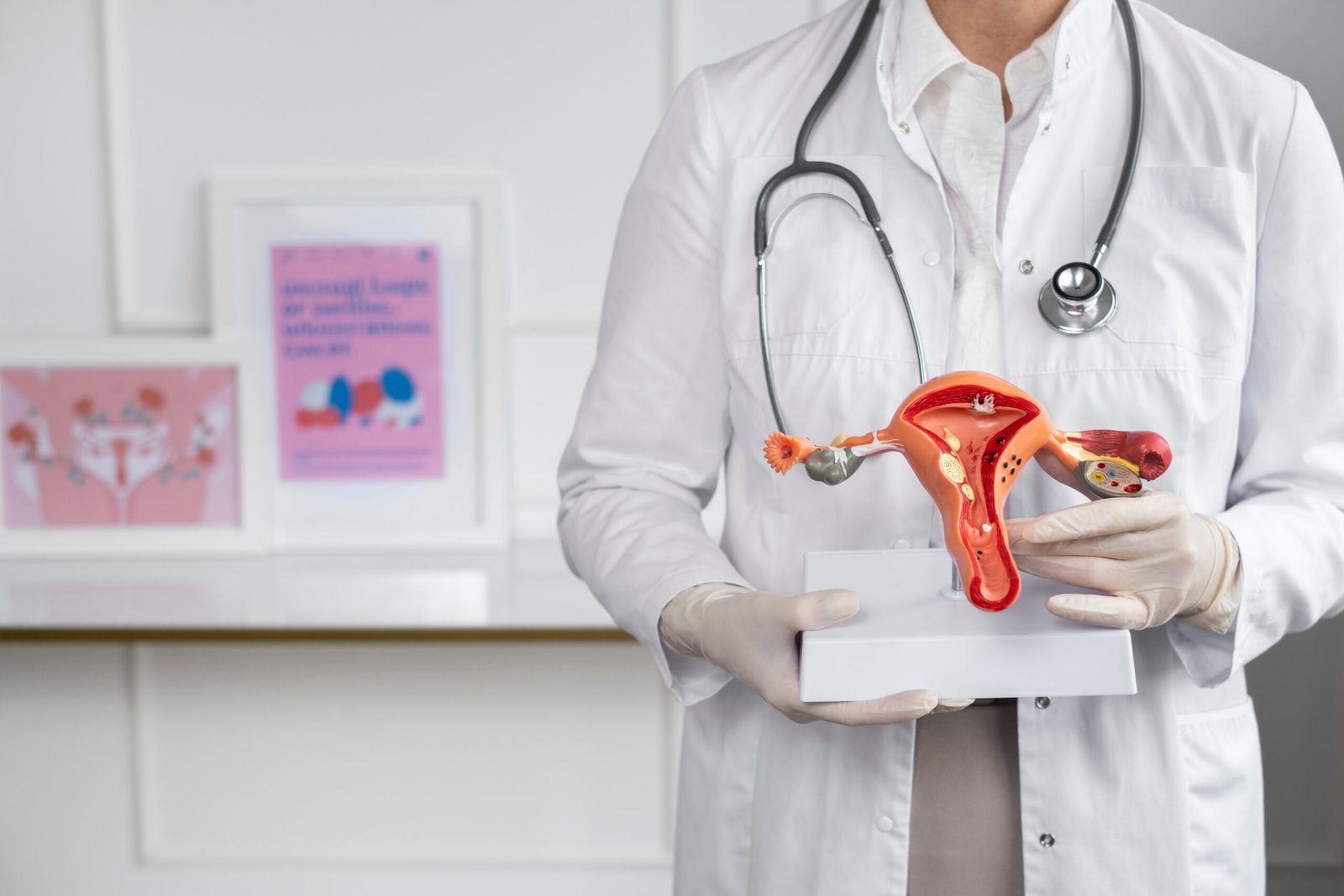
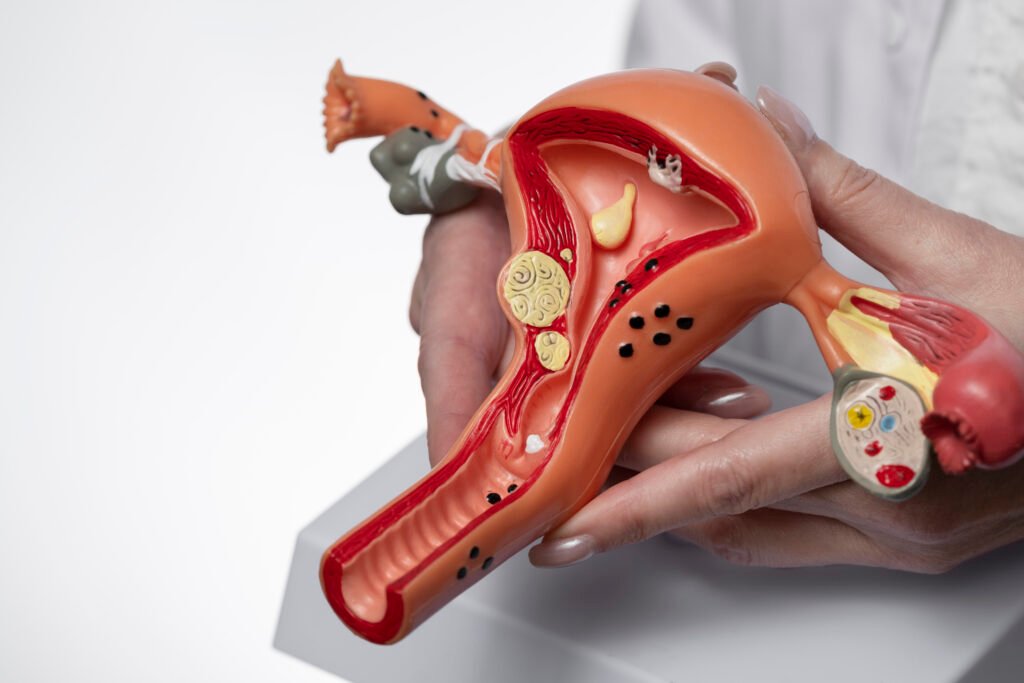
Uterine fibroids are benign tumours arising from the muscular wall of the uterus. Their size, number, and location vary significantly, which explains why symptoms differ from one patient to another. While some women remain asymptomatic, others experience symptoms that significantly affect quality of life.
Common indications for treatment include heavy or prolonged menstrual bleeding, pelvic pain or pressure, abdominal bloating, urinary frequency, constipation, fatigue due to anaemia, and reduced daily functioning. Once symptoms become persistent or progressive, interventional treatment is often recommended.
At this stage, patients are typically offered either surgical treatment (most commonly laparoscopic myomectomy) or uterine fibroid embolisation.
Surgical Treatment for Fibroids: Laparoscopic Myomectomy Explained
Laparoscopic myomectomy is currently the most frequently performed surgical procedure for women who wish to preserve the uterus. The goal of the surgery is to physically remove fibroids while reconstructing the uterine wall.
The procedure is performed under general anaesthesia and involves several small abdominal incisions through which instruments and a camera are inserted. Fibroids are excised individually, and the uterine muscle is sutured afterward.
Surgical treatment is highly effective for selected patients, but it is not always the most suitable option for every patient profile.
What Is Uterine Fibroid Embolisation and How Does It Differ?
Uterine fibroid embolisation is a minimally invasive procedure performed under imaging guidance. Instead of removing fibroids surgically, the treatment works by blocking the blood supply that allows fibroids to grow.
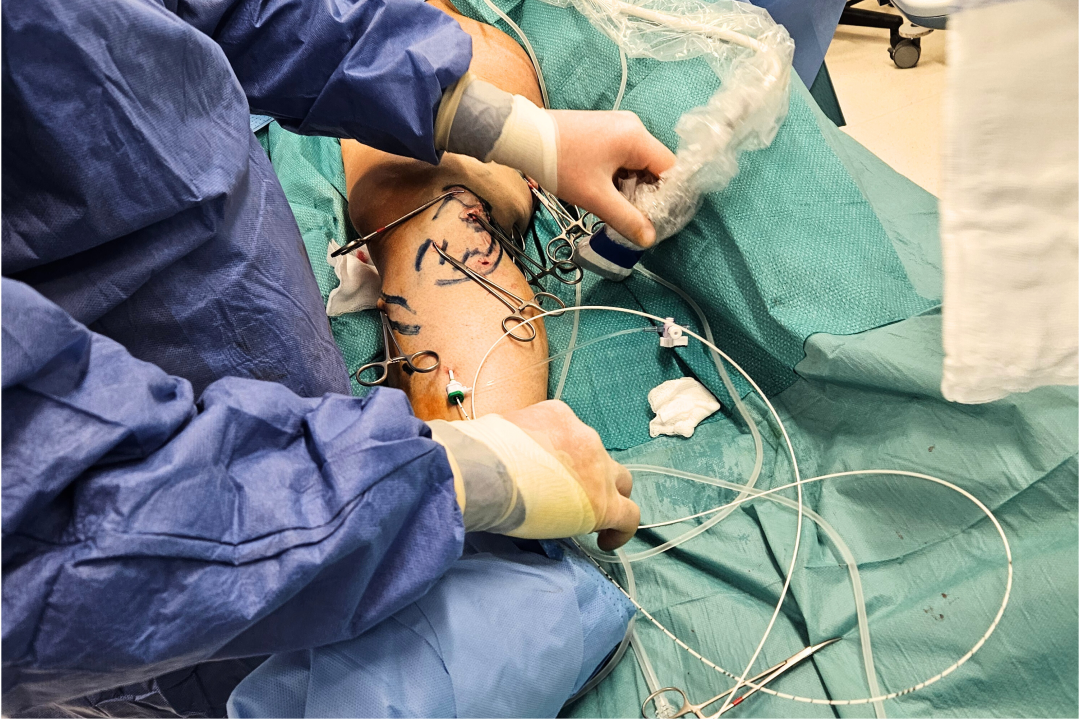
During the uterine fibroid embolization procedure, a catheter is inserted through a small puncture, usually in the wrist or groin, and guided into the uterine arteries. Tiny embolic particles are then released to selectively block blood flow to the fibroids. As a result, fibroids gradually shrink over time, leading to symptom improvement.
Importantly, the uterus itself continues to receive blood through collateral circulation, allowing it to remain functional.
Comparing Surgical Fibroid Treatment and Embolisation
When comparing surgical therapy for fibroids and uterine fibroid embolisation, the difference lies primarily in approach, recovery, and long-term impact rather than effectiveness alone.
Invasiveness and Recovery
Surgical myomectomy involves incisions, tissue dissection, and suturing of the uterus, which naturally requires a longer recovery period. In contrast, UFE is performed through a pinhole access site, with no surgical incisions and significantly faster recovery.
Most patients undergoing embolisation return to light activities within days, whereas recovery after laparoscopic surgery generally requires a longer recovery period.
Treatment Scope
Myomectomy removes visible fibroids individually, which is effective when fibroids are few and accessible. UFE treats all fibroids simultaneously, including smaller or deeper fibroids that may not be easily removed surgically.
This global treatment effect is one of the key uterine fibroid embolization benefits, especially in women with multiple fibroids.
Risk of Recurrence
Fibroid recurrence is possible after both treatments. However, recurrence after myomectomy can occur because new fibroids may develop over time. Embolisation reduces blood supply to all fibroid tissue, which may reduce the likelihood of symptomatic recurrence in selected patients.
Anaesthesia and Surgical Risk
UFE is performed without general anaesthesia, making it suitable for patients who may not be ideal surgical candidates. Surgical therapy inherently carries anaesthesia-related risks and higher blood loss potential.
Why Uterine Fibroid Embolisation Is Increasingly Chosen
When women ask why choose uterine fibroid embolisation, the decision often comes down to balancing effectiveness with recovery and long-term impact.
Key uterine fibroid embolization benefits include:
- Minimally invasive approach
- No surgical incisions
- Shorter hospital stay
- Faster return to daily activities
- Treatment of multiple fibroids at once
- Preservation of the uterus
- Lower overall procedural risk
For women who are not actively planning pregnancy or who have fibroids unsuitable for surgical removal, UFE offers a compelling alternative.
Fertility Considerations: A Nuanced Discussion
Fertility is often a deciding factor in treatment choice. Laparoscopic myomectomy remains the preferred option for women actively planning pregnancy, as it allows direct fibroid removal while preserving uterine structure.
UFE preserves the uterus but may affect fertility outcomes differently depending on age, fibroid location, and ovarian blood supply. This makes individual assessment critical. Treatment decisions should be guided by a detailed discussion involving gynaecologists and vascular specialists.
The Importance of Specialist-Led Evaluation
Choosing between surgical fibroid treatment and embolisation should never be a one-size-fits-all decision. Proper imaging, symptom assessment, and understanding patient priorities are essential.
Specialist-led evaluation focuses on:
- Fibroid size, number, and location
- Severity of symptoms
- Desire for uterine preservation
- Recovery expectations
- Overall medical fitness
This structured approach ensures patients receive the most appropriate, evidence-based treatment rather than default recommendations.
Conclusion
The discussion around fibroid treatment has evolved significantly. The real comparison today is not UFE vs hysterectomy, but uterine fibroid embolisation vs surgical therapy for fibroids, particularly laparoscopic myomectomy.
Both approaches have clear roles in modern care. Surgical treatment remains effective for selected patients. At the same time, uterine fibroid embolization offers a minimally invasive, uterus-preserving alternative with proven symptom relief and faster recovery for appropriately selected women.
Women seeking expert evaluation and personalised guidance on fibroid treatment options may consult Dr. Mohammed Abuazab, Consultant Vascular Surgeon in Dubai, to explore whether uterine fibroid embolisation is a suitable option within their overall treatment plan.