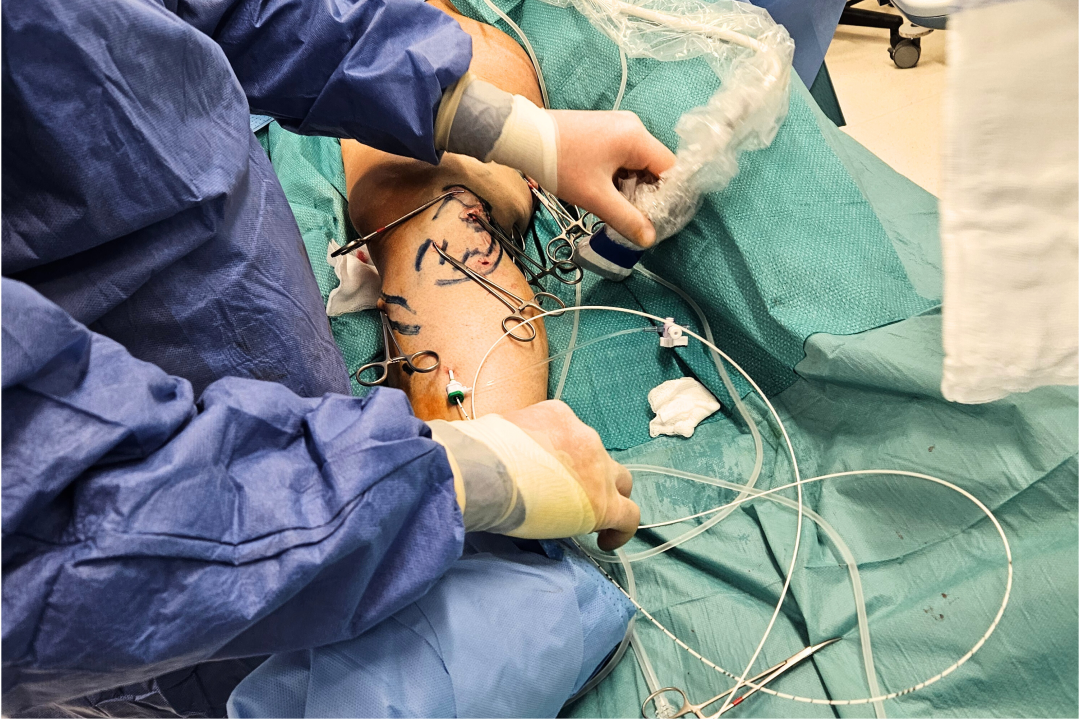
Diabetic foot ulcers are one of the most serious complications of diabetes, and they remain one of the leading causes of lower-limb amputation worldwide.
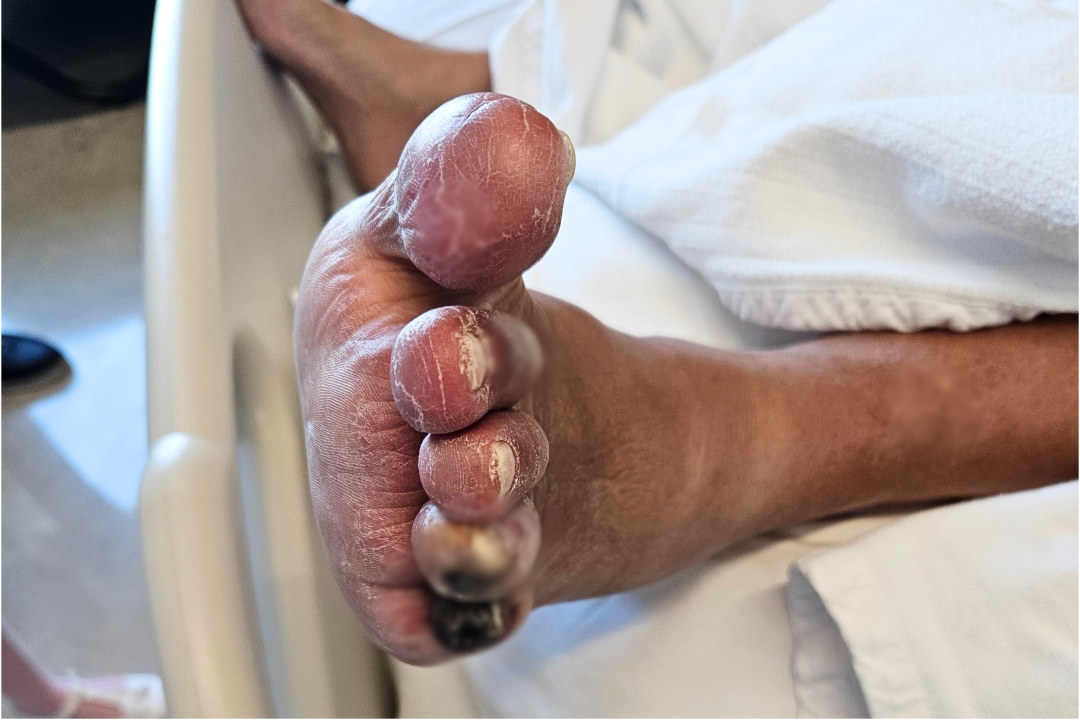
Diabetic foot ulcers are one of the most serious complications of diabetes, and they remain one of the leading causes of lower-limb amputation worldwide. In the UAE, where diabetes rates are among the highest globally, the risk of developing these ulcers increases significantly. Yet, many amputations can be entirely prevented with early diagnosis, proper vascular assessment, and timely intervention.
As a vascular surgeon, I routinely meet patients who arrive with long-standing foot wounds that have failed to heal. By this stage, the infection has often spread deeper, blood flow is severely compromised, and urgent action is required to prevent limb loss. However, when patients seek help early, the outcomes are dramatically different.
This blog explains why diabetic foot ulcers occur, how they lead to amputation, and the advanced strategies we use in UAE to save the limb.
Why Diabetic Foot Ulcers Are Common in UAE
Several regional factors contribute to the rapid rise of diabetic foot complications.
1. High Prevalence of Diabetes
The UAE has one of the highest diabetes rates in the world. Long-term diabetes causes nerve damage and reduced blood flow, which together create the perfect environment for ulcers.
2. Late Presentation
Many patients do not check their feet regularly. By the time they notice the wound, it is infected and not healing.
3. Poor Circulation
Diabetes damages arteries over time. Reduced blood supply means even a minor cut can become a non-healing ulcer.
4. Footwear Choices
Sandals and open footwear increase the risk of injuries and foot trauma, especially in neuropathic patients who cannot feel pain.
How Diabetic Foot Ulcers Form
There are three major reasons:
1. Loss of Sensation (Neuropathy)
Patients cannot feel pain, heat, or friction. Small cuts or pressure points go unnoticed.
2. Poor Blood Flow (Ischemia)
Arteries supplying the foot become narrowed. Without good circulation, tissues cannot heal.
3. Infection
Bacteria enter the wound and spread quickly, especially if glucose levels are uncontrolled.
When these three factors coexist, the risk of amputation becomes extremely high.
When a Diabetic Foot Ulcer Becomes Dangerous
There are several warning signs:
- Increasing redness or swelling
- Pus discharge
- Foul smell
- Fever
- Blackened tissue (gangrene)
- Severe pain despite neuropathy
- Rapid progression in size
These are medical emergencies.
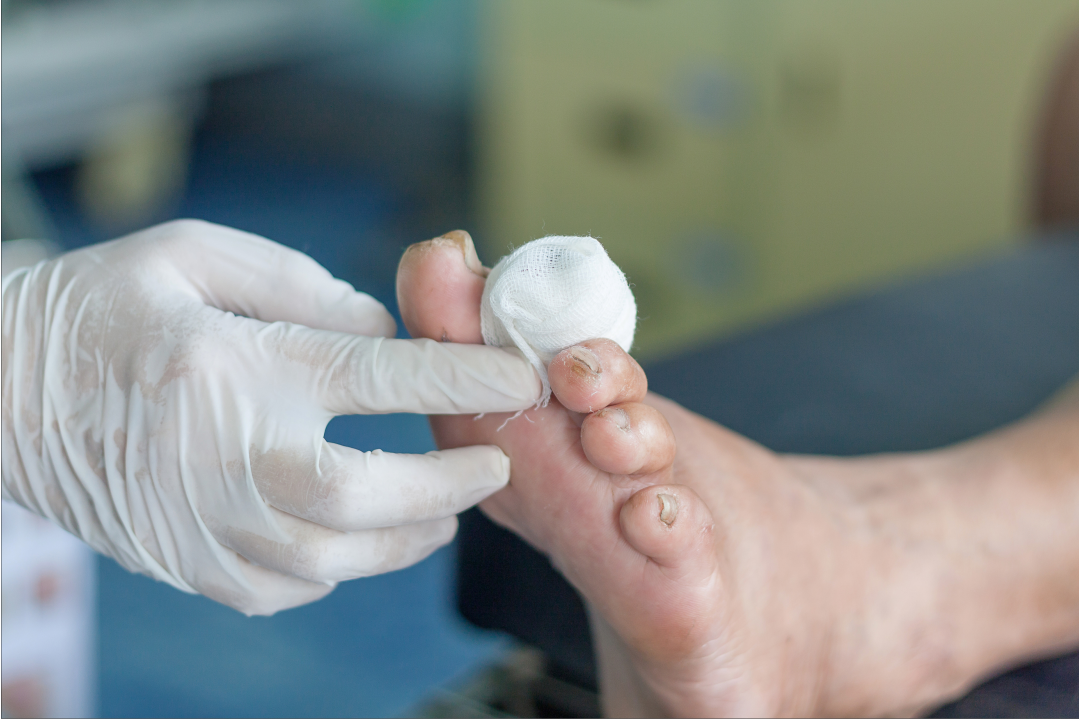
How We Diagnose Diabetic Foot Ulcers
1. Vascular Examination
We assess blood flow using Doppler ultrasound or vascular imaging to check for blockages.
2. Neuropathy Assessment
Loss of sensation is measured through specialised tests.
3. Wound Evaluation
We determine the depth, infection severity, and tissue damage.
A proper diagnosis allows us to plan a personalised limb-salvage strategy.
How We Prevent Amputation
Our goal is always to save the limb whenever possible. Modern vascular medicine provides several tools to achieve this.
1. Restoring Blood Flow
Patients with reduced circulation require a procedure to open blocked arteries. We use:
• Balloon angioplasty
• Stent placement
• Atherectomy (plaque removal)
Restoring blood circulation dramatically improves healing.
2. Advanced Wound Care
We use modern dressings, debridement techniques, and infection control to speed up healing.
3. Infection Management
Appropriate antibiotics, drainage, and tissue cleaning are essential to control infection.
4. Offloading Techniques
Special footwear, casts, or orthotic devices reduce pressure on the ulcer, allowing it to heal.
5. Glycaemic Control
Uncontrolled blood sugars slow down wound healing and worsen infections. We coordinate closely with endocrinologists to stabilise glucose levels.
Why Early Treatment Saves Limbs
A diabetic foot ulcer becomes dangerous only when ignored. When patients visit early, most ulcers can heal without complications. When blood flow is restored at the right time, the chances of amputation drop significantly.
Doctor’s Perspective
I have seen hundreds of patients avoid amputation because they sought help early and followed the treatment plan closely. A diabetic foot ulcer is not just a skin wound; it is a sign of deeper vascular and neuropathic issues that require expert attention. With the right approach, limb salvage is absolutely possible.
Conclusion
Diabetic foot ulcers are common in the UAE, and they can progress to amputation if not treated promptly. With early diagnosis, vascular restoration, advanced wound care, and strict glucose control, we can prevent limb loss in most patients.
If you or a loved one has a persistent foot wound, visit Dr. Mohammed, a diabetic foot and vascular specialist in Dubai, for a complete assessment and personalised limb-salvage treatment.
To book your appointment, call us on +971 502985590.