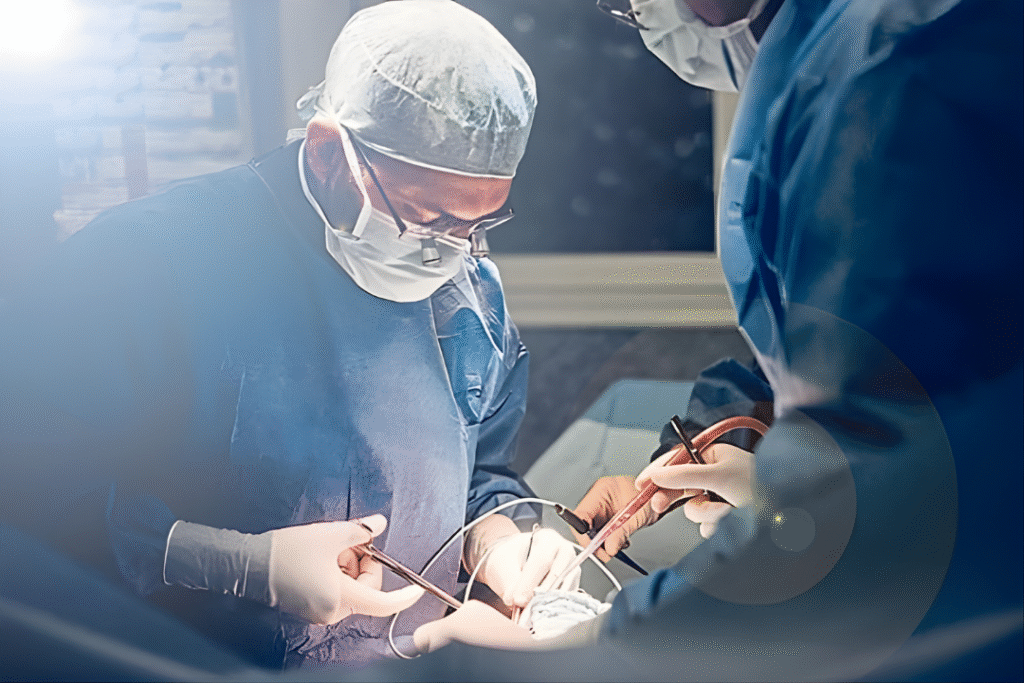
Acute and Chronic Lower Limb Ischemia Treatment
Minimally Invasive and Open Revascularization in Dubai
When Treatment for Lower Limb Ischemia Is Needed
Symptoms of Chronic Lower Limb Ischemia
- Calf or thigh pain while walking
- Pain that improves with rest
- Numbness, tingling or a cold sensation in the feet
- Slow healing wounds on the foot or toes
- Skin darkening or thinning
- Thickened nails or hair loss on the legs
- Reduced pulse in the feet
- Difficulty walking long distances
Symptoms of Acute Lower Limb Ischemia
- Sudden severe leg or foot pain
- Pale or cold limb
- Loss of sensation
- Weakness or inability to move the leg
- Absent pulses
How Diagnosis Is Performed
Treatment Options Tailored to Your Condition
Endovascular Treatment (Minimally Invasive)
Endovascular procedures are often preferred for many patients because they are gentle, precise and fast to recover from. These include:
- Balloon angioplasty to widen narrowed arteries
- Stent placement to keep arteries open
- Catheter-directed thrombolysis for blood clot dissolution
- Mechanical thrombectomy to remove clots
Benefits may include:
- Small puncture instead of an incision
- Quick recovery
- Minimal discomfort
- Short hospital stay
- Effective relief of symptoms in many cases
Open Surgical Revascularization
Open surgery may be recommended when the blockage is severe, long standing or unsuitable for endovascular treatment. Procedures may include bypass surgery or endarterectomy to restore blood flow.
Advantages include:
- Strong long term durability
- Effective treatment for complex or extensive blockages
- Proven outcomes for severe ischemia
Both options are performed with meticulous technique, focusing on restoring blood flow and preventing future complications.
How Treatment Helps Improve Your Quality of Life
- Stronger and more comfortable walking
- Relief from calf or foot pain
- Better wound healing
- Reduced numbness or tingling
- Improved warmth and colour in the foot
- Protection against limb-threatening complications
- Improved mobility and independence
Frequently Asked Questions
What causes lower limb ischemia?
Common causes include atherosclerosis, diabetes, smoking and blood clots.
Is endovascular treatment safe?
Yes. It is minimally invasive and offers fast recovery for many patients.
Is surgery always necessary?
No. Many patients benefit from endovascular treatment. Surgery is used when blockages are extensive or complex.
Can ischemia return after treatment?
Long term follow up helps prevent recurrence. Lifestyle changes and medical management are often recommended.
What if I have sudden severe foot pain?
Seek immediate medical care. Acute ischemia is an emergency and must be treated quickly.