Vascular Tumor Involvement
Specialised Multidisciplinary Management for Vascular Tumor Conditions
Tumors that compress or involve blood vessels require careful assessment and careful treatment. These conditions can affect blood flow, cause pain or swelling, and increase the risk of bleeding. Managing both the tumor and surrounding vessels together is essential.
If imaging shows a tumor affecting your vessels or you have symptoms of reduced blood flow-early evaluation helps prevent complications and supports better outcomes.
When Evaluation for Vascular Tumor Involvement Is Needed
- Swelling in the arm, leg or affected area
- Pain or heaviness due to reduced blood flow
- Visible enlargement of blood vessels near a tumor
- Numbness or tingling caused by pressure on nerves or vessels
- Difficulty moving the affected limb
- Recurrent episodes of bleeding
- A known tumor that is close to major arteries or veins
- Imaging reports suggesting vascular compression or invasion
How Diagnosis Is Performed
- Whether the tumor is compressing blood vessels
- Whether the tumor has invaded nearby arteries or veins
- How blood flow is affected
- The best possible treatment strategy
Treatment Options Based on Individual Needs
Vascular tumor involvement requires a personalised and collaborative plan. Dr. Abuazab works with oncologists, interventional radiologists and other specialists to design the safest and most effective approach.
Endovascular Procedures
When blood flow is restricted or there is risk of bleeding, endovascular methods may be used to stabilise the vessels. These may include:
- Stent placement to maintain blood flow
- Embolization to reduce bleeding or shrink the tumor’s blood supply
- Catheter-guided treatments to support organ preservation
Benefits include:
- Small puncture rather than large incisions
- Quick recovery
- Targeted, organ-saving treatment
- Effective bleeding control
Open Surgical Management
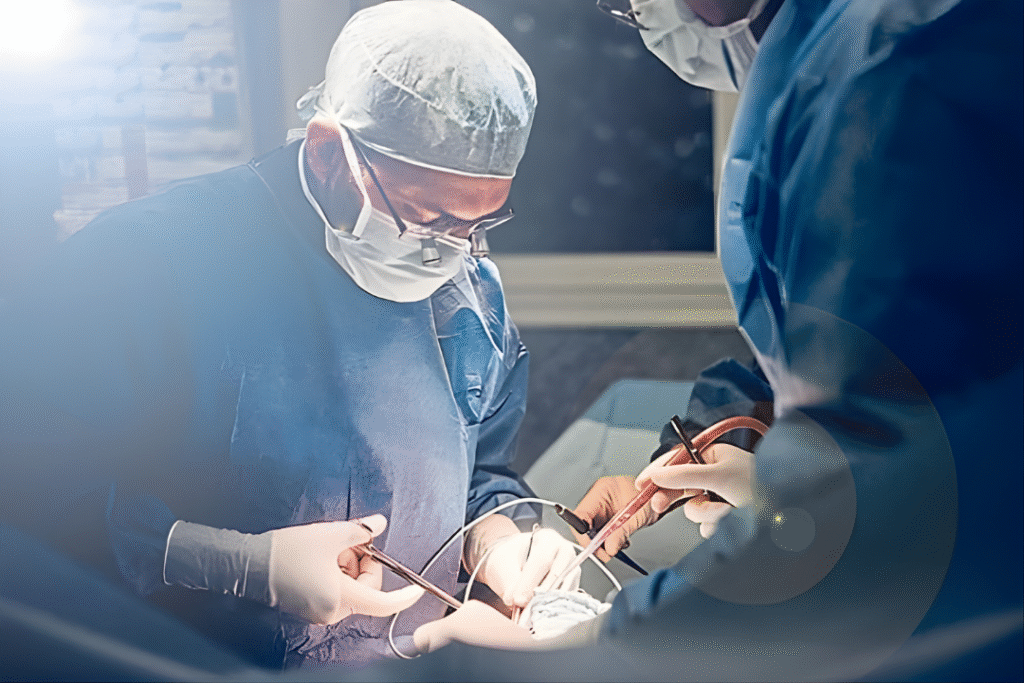
If the tumor is closely adhered to or invading a blood vessel, open surgery may be necessary either alone or as part of a combined procedure with other specialists.
Surgery may involve:
- Resection of affected vessels
- Reconstruction using grafts
- Removal of tumor segments involving the artery or vein/li>
Open surgery is recommended when vascular involvement is complex and requires direct visual repair.
Combined or Staged Treatment
In many cases, the safest and most successful outcomes come from combining different techniques. Dr. Abuazab collaborates closely with oncology and surgical teams to ensure coordinated care.
How Treatment Helps Improve Your Condition
- Relief from pressure, pain or swelling
- Improved circulation in the affected limb
- Better mobility and function
- Reduced risk of bleeding
- Support for overall tumor management
- Improved comfort and stability during further oncology treatments