Thoracic and Abdominal Aortic Disease
Specialised Endovascular and Open Surgical Treatment in Dubai
The aorta is the main artery that carries blood from your heart to the rest of your body. When any part of the thoracic or abdominal aorta becomes weakened, enlarged or blocked, it requires careful evaluation. Conditions such as aneurysms, dissections, occlusions and trauma affecting the aorta can be life threatening if not treated in time. Many patients do not recognise symptoms until the condition becomes advanced, which is why early diagnosis is essential.
If you have been advised to undergo an aortic evaluation or have symptoms that may indicate an aortic issue, early consultation can protect your long-term health.
When Aortic Evaluation Is Important
Aortic conditions can present in different ways. You may benefit from evaluation if you have experienced:
- Persistent abdominal, back or chest pain
- A pulsating feeling in the abdomen
- Sudden severe pain that radiates to the back
- Reduced blood supply to the legs
- A known aneurysm found during imaging
- A family history of aortic aneurysm/ age 65 years or older
Some conditions, particularly aneurysms, may remain silent for years. Imaging is often the only way to detect them early.
How Diagnosis Is Performed
Diagnosis begins with a careful consultation and a physical examination. Depending on your symptoms and risk factors, a duplex ultrasound, CT angiography or MR angiography may be used to assess the size, location and severity of the aortic disease.
You are provided with clear, patient-friendly explanations throughout the process so you understand what is happening and why certain treatments may be recommended.
Treatment Options for Thoracic and Abdominal Aortic Disease
Because the aorta is the largest artery in the body, treatment must be precise and performed by an experienced vascular surgeon. Dr. Abuazab offers both endovascular and open surgical options, selecting the method that provides the safest and most durable result for each patient.
Endovascular Aortic Repair (EVAR and TEVAR)
These minimally invasive techniques involve placing a stent graft inside the weakened or damaged section of the aorta through a small puncture in the groin. The stent reinforces the artery, prevents rupture and restores healthy blood flow.
Benefits include:
- Small incisions instead of major surgery
- Shorter hospital stay
- Faster recovery
- Less pain and quicker return to daily activities
- Suitable for many types of aneurysms
Endovascular repair is preferred when anatomy allows and is often recommended for patients who are at higher risk for open surgery.
Open Aortic Surgery
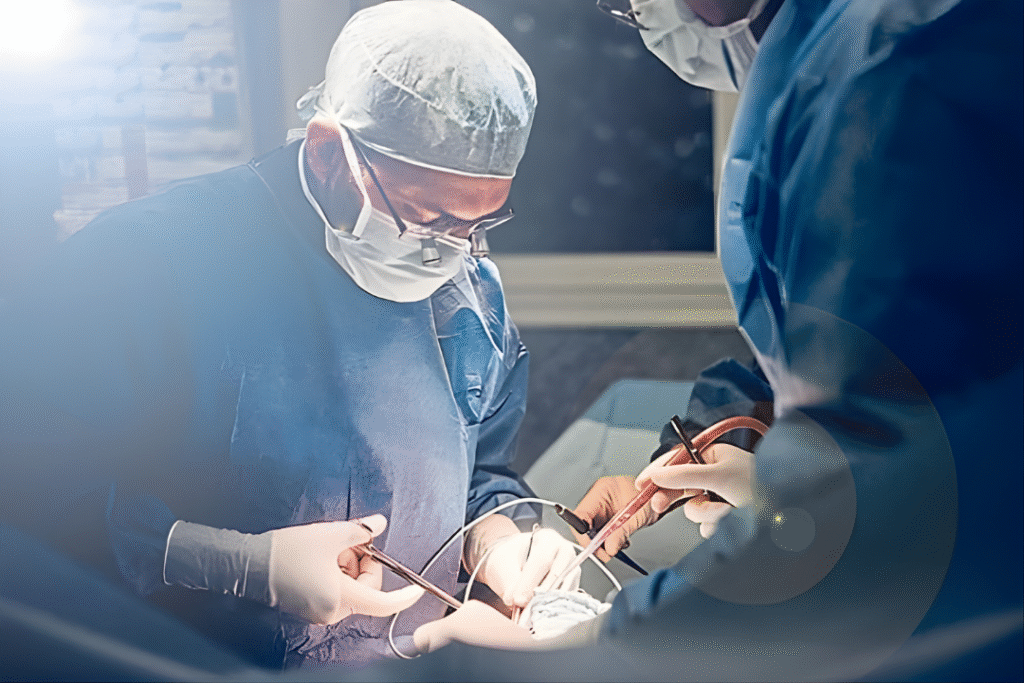
In cases where the anatomy is not suitable for endovascular treatment or the disease is complex, open surgery may be necessary. This procedure allows direct repair or replacement of the affected part of the aorta.
Advantages include:
- Long term durability
- Effective correction for complex aneurysms and dissections
- Proven outcomes for large or complicated disease
Open surgery is performed with meticulous precision, careful planning and strict safety protocols.
How Treatment Helps Protect Your Health
Treating aortic disease significantly reduces the risk of rupture, organ damage and life threatening complications. After treatment, patients often experience:
- Relief from pain or pressure
- Improved circulation to the lower body
- Greater stability in blood pressure and energy levels
- Stronger long term cardiovascular health
- Peace of mind, knowing the risk of rupture is greatly reduced
Aortic conditions carry serious risks, but with timely treatment, patients can return to a safe and active lifestyle.
Frequently Asked Questions
What causes aortic aneurysms?
Common causes include high blood pressure, smoking, age related vessel weakening and family history.
Are aneurysms always painful?
No. Many grow silently and are found only through imaging.
Is endovascular repair safe?
Yes. It is one of the most advanced minimally invasive options with shorter recovery time and excellent outcomes.
When is open surgery necessary?
Open surgery is recommended when the anatomy is not suitable for stent placement or the disease is complex.
How often will I need follow up after treatment?
Regular imaging is important to ensure long term stability